sustainable future: Benefits & Implementation of renewable energy

Advantages of Incorporating Renewable Energy Sources

Incorporating renewable energy sources in commercial properties comes with a myriad of benefits, both for businesses and the environment. Let’s explore these advantages in detail.

  • Cost Savings
  • Reduced Carbon Footprint
  • Energy Independence
  • Government Incentives

Steps to Implement Renewable Energy Solutions

1.Energy Audit – Begin by conducting an energy audit to identify your property’s energy needs and potential areas for improvement.

2.Choose the Right Energy Source – Select the most suitable renewable energy source based on your property’s location, energy demands, and budget.

3.Installation – Hire qualified professionals to install the chosen renewable energy system, ensuring it complies with safety and regulatory standards.

4.Maintenance – Regular maintenance is crucial to ensure the efficiency and longevity of your renewable energy system.

Incorporating renewable energy sources in commercial properties is a sustainable and financially prudent choice. Businesses that embrace clean energy not only contribute to a greener planet but also enjoy long-term cost savings and numerous incentives. By following the steps outlined in this guide, your commercial property can become a beacon of environmental responsibility and energy efficiency.
Green powerhouses: Renewable Energy for Commercial Real Estate

In today’s world, businesses want to be more eco-friendly and save on energy costs. One popular way is by using renewable energy in commercial buildings.

Commercial buildings use a lot of energy. So, they’re great places to start making green changes. By using renewable energy, businesses can lower their carbon emissions and save money in the long run. In this article, we’ll explore the sources for renewable energy:

Sources of renewable energy

Incorporating renewable energy sources in commercial properties is a forward-thinking move that involves harnessing energy from environmentally friendly sources. Here are the most popular renewable energy sources:

Solar Power
Solar power uses sunlight to make electricity. By placing solar panels on roofs or open areas, these panels convert sunlight into energy we can use.

Wind Energy
Wind turbines are another popular choice for commercial properties. They capture wind energy and convert it into electricity, offering a sustainable and reliable power source.

Geothermal Energy
Geothermal energy involves tapping into the Earth’s natural heat to provide heating and cooling solutions for commercial properties. It’s a highly efficient and eco-friendly option.

Using renewable energy in commercial buildings is both good for the environment and smart for business. We’ve looked at some options like solar, wind, and geothermal energy. These choices help the environment and save money over time.

It’s a win-win strategy for businesses looking to thrive in a more sustainable and energy-efficient future. So, as you consider the future of your commercial property, remember that going green isn’t just responsible—it’s a strategy that can power your success for years to come.

ADAPTIVE REUSE: STEPS TO REVITALIZE AND REPURPOSE

The magic of adaptive reuse lies in its ability to take relics of the past and transform them into functional spaces for the present. It’s like taking an old, forgotten book and rewriting its chapters for a new generation. But how does this enchanting process work? Let’s delve into the typical steps that lead to the successful adaptive reuse of a building.

1.      IDENTIFICATION AND ASSESSMENT

  • The building’s historical or architectural significance.
  • Its current structural condition.
  • The feasibility of the desired new function within the existing structure.

2.      DESIGN AND PLANNING

  • Respecting the original architecture while adding modern amenities.
  • Addressing any structural challenges, ensuring the building’s longevity.
  • Ensuring that renovations don’t degrade the building’s historical significance.
  • Meeting safety and building standards.

3.      CONSTRUCTION AND RENOVATION

  • Preserving delicate or decaying architectural features.
  • Retrofitting the building with modern systems like HVAC, plumbing, and electrical networks.
  • Integrating advanced tech infrastructure, like broadband connectivity and energy efficient features.

4.      PROJECT COMPLETION AND LAUNCH

After passing inspections and meeting all requirements, the building is ready for its new purpose. This is the moment where the past and present converge, culminating in a functional space that pays homage to its history.

Adaptive reuse is a journey that carries the essence of the past into the heart of the future. While each project is unique, the steps outlined above provide a roadmap to transform aging edifices into vibrant hubs of modern activity. Through adaptive reuse, we find a sustainable, respectful, and imaginative way to write new stories in old buildings.

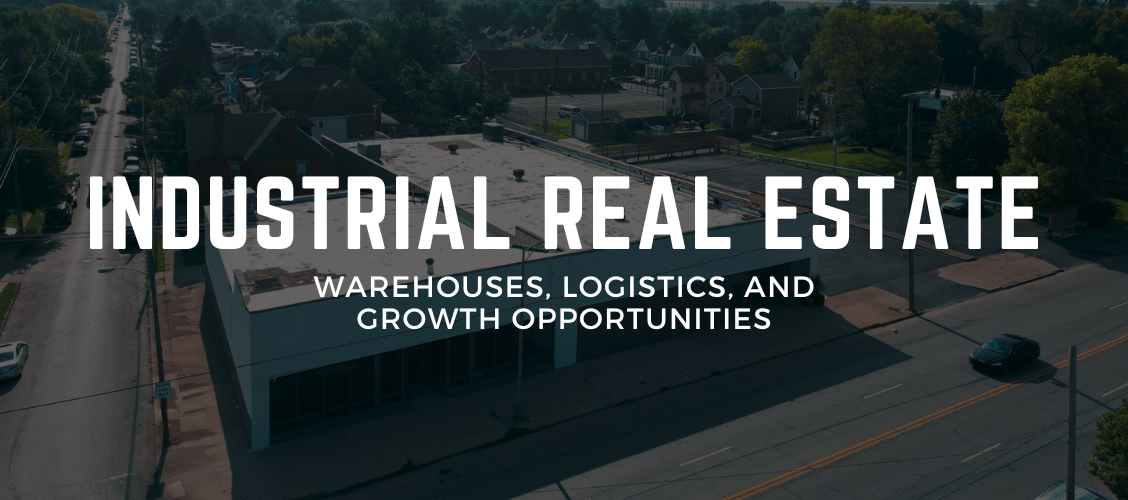
Industrial Real Estate: Warehouses, Logistics, and Growth Opportunities

Industrial real estate, covering warehouses and logistics, is on the rise. In this guide, we’ll highlight its key features and growth opportunities. Learn about the importance of warehouses in supply chains and the logistics behind today’s commerce. Dive in and uncover keys to success in this field.

The Importance of Warehouses

Warehouses are essential to industrial real estate, supporting efficient supply chains. They vary in size and design to fit business needs, from e-commerce storage to manufacturing materials. Warehouses streamline inventory management, ensuring product availability and reducing costs.

Logistics: The Nerve Center of Commerce

Logistics ensures fast, efficient movement of goods.

  • Transportation: Global networks cut delivery time and cost.
  • Tech: GPS and inventory systems enhance operations and service.
  • Last-Mile: Drones and transportation innovation simplify the final delivery challenge.

Industrial Real Estate Growth Avenues

For investors, developers, or entrepreneurs, consider:

  • E-commerce Warehouses
  • Green Warehouses
  • Urban Logistics Hubs
  • Cold Storage Units

Industrial real estate, with its warehouses, logistics, and myriad growth opportunities, is a dynamic and lucrative sector. It’s crucial for businesses and investors to understand the nuances of this market to make informed decisions and reap the benefits of its growth.

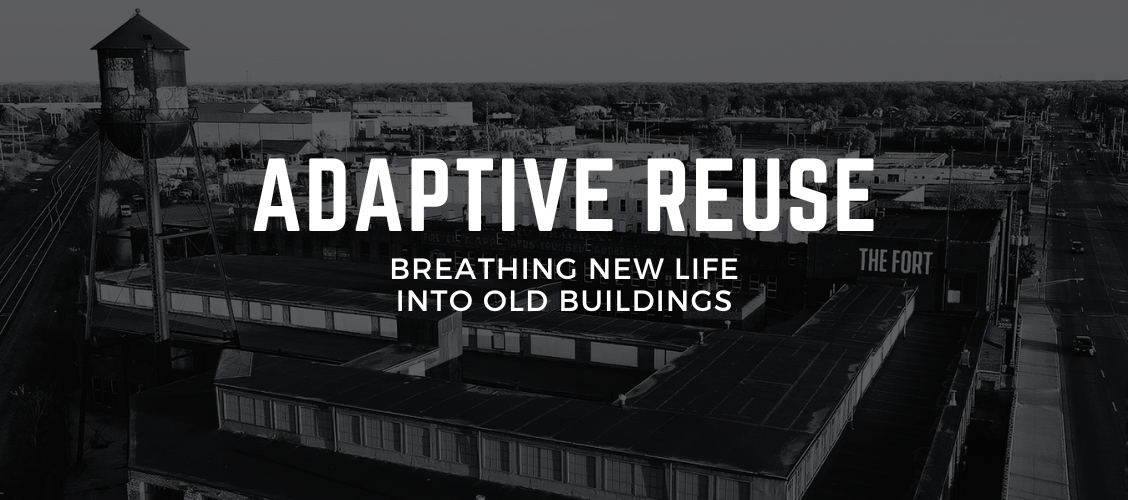
ADAPTIVE REUSE: BREATHING NEW LIFE INTO OLD BUILDINGS

In today’s urban landscape, the tug-of-war between preserving historical architecture and making space for modern facilities is a common dilemma. But there’s a sustainable and innovative solution that merges the best of both worlds: adaptive reuse.

WHAT IS ADAPTIVE REUSE?

Adaptive reuse refers to the process of redeveloping an old, often historic, building for a purpose other than its original design. It’s not merely a renovation; it’s a reimagination. From turning old warehouses into loft apartments, derelict churches into bookshops, or Victorian-era schools into boutique hotels, adaptive reuse is about preserving the past while preparing for the future.

WHY CHOOSE ADAPTIVE REUSE?

  • SUSTAINABILITY.
  • CULTURAL HERITAGE.
  • ECONOMIC VIABILITY.
  • URBAN REVITALIZATION.

In an age where “out with the old, in with the new” is often the mantra, adaptive reuse stands as a testament to the idea that the old can be made new again. It’s a marriage of respect for the past and anticipation for the future, showing that cities can evolve without erasing their histories.

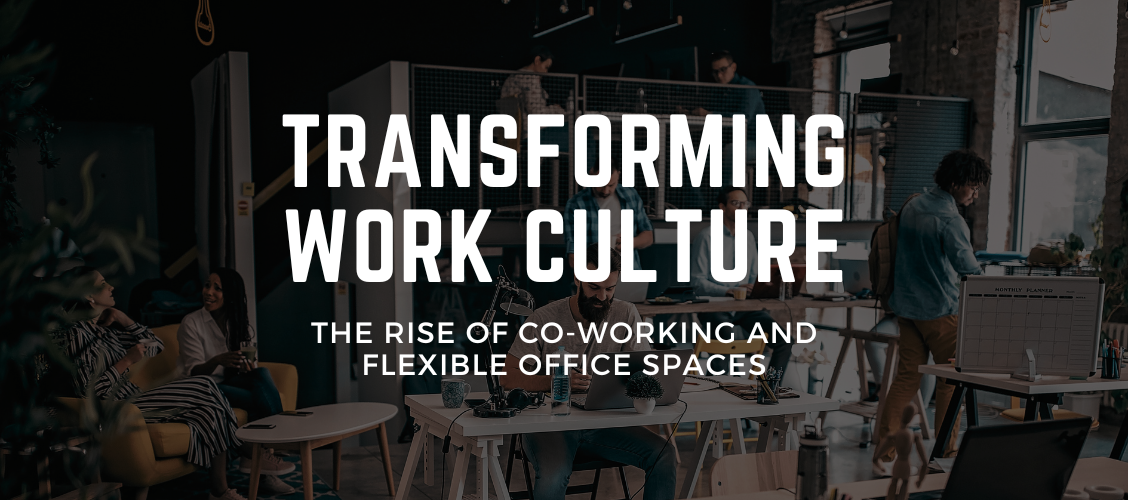
TRANSFORMING WORK CULTURE: THE RISE OF CO-WORKING AND FLEXIBLE OFFICE SPACES

In today’s dynamic workforce landscape, co-working and flexible office spaces are gaining prominence, offering alternatives to conventional office environments. This article will explore the impact, pros, cons, and transformative effect of co-working and flexible office setups on our work culture.

Co-working is a collaborative approach using shared office spaces where professionals and freelancers from varied backgrounds unite in a communal environment. Beyond mere workspaces, these spaces are also innovation hubs where diverse ideas intermingle, promoting idea cross-pollination and unique breakthroughs. They also provide cost-efficiency, offering startups and freelancers a way to bypass the expenses of traditional offices.

ADVANTAGES OF CO-WORKING:

  • Cost-efficiency
  • Diversity & Enhanced Collaboration
  • Flexibility in Workspace
  • Reduced Commute

SOME SETBACKS OF CO-WORKING:

  • Distractions
  • Limited privacy
  • Noise levels
  • Lack of Control over the workspace

The rise of co-working and flexible office spaces has undoubtedly transformed work culture. It offers unparalleled flexibility, cost savings, and networking opportunities. However, it’s not without its challenges, such as privacy concerns and distractions.

In this rapidly evolving landscape, the key is finding the right balance that suits your individual or business needs. As the workforce continues to change, so too will our workspace options.

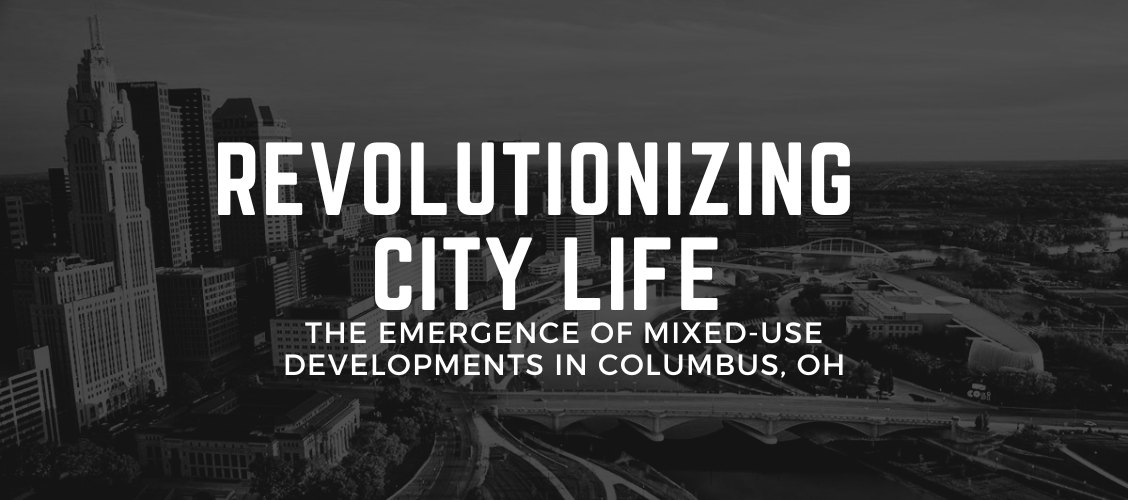
Revolutionizing City Life: The Emergence of Mixed-Use Developments in Columbus, OH

In the past few years, Columbus, Ohio has been at the vanguard of a significant swell in mixed-use developments. This rising tide is indicative of a larger shift in urban planning, one that emphasizes creating living environments that are not just sustainable, but also conveniently integrated. The harmonization of various facets of daily life in these developments enhances the sense of community and significantly cuts down on commuting requirements. The growing wave of mixed-use developments is remolding the urban contours of Columbus, and in the process, enriching the lives of its residents.

The Multifold Perks of Mixed-Use Developments.
The evolution towards mixed-use developments offers a slew of benefits for residents and the city alike:

  • Convenience and Accessibility
  • Bustling Social Hub
  • Economic Boost
  • Efficient Land Use
  • Sustainability
  • Community Integration

The momentum of mixed-use developments in Columbus, OH, shows no sign of waning. The city’s unwavering commitment to sustainable urban planning and community wellness resonates with the ethos of mixed-use developments. With a constant stream of new projects on the horizon, Columbus, Ohio stands on the precipice of establishing itself as a trailblazer in inventive urban design

Discover South High Street – A Path of Growth in Columbus Ohio

Connecting South High

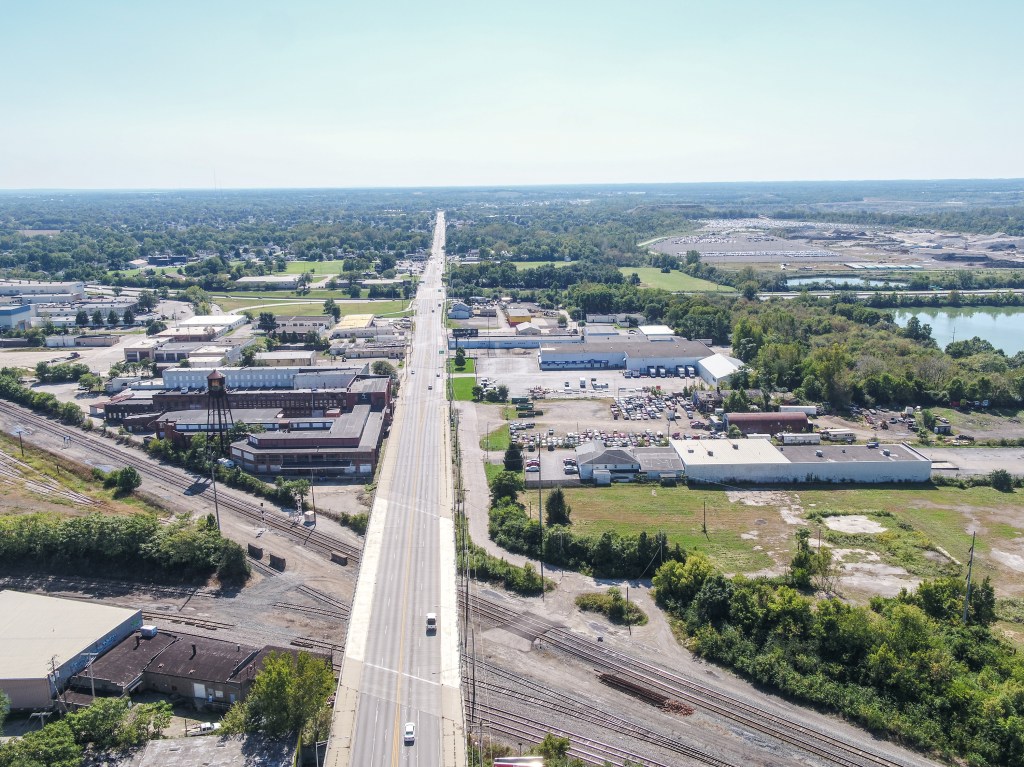
As we keep an eye on the areas developing around Columbus, the vision for south Columbus and specifically the historic South High Street will be a highlight. This stretch will once again become a bustling entryway to Columbus. There is a multitude of retail and multi family projects that put this area in the path of growth for Columbus development. The Fort has anchored this area from at South High and RT 104, offering a plethora of opportunities for residents, students, and small businesses. Whether you’re a business owner, a food enthusiast, or simply seeking a lively atmosphere, South High Street has something for everyone. In this article, we will take a deep dive into this path of growth area, uncovering its unique charm, diverse offerings, and why it’s a must-visit destination.

6 TIPS TO SUCCESSFULLY NEGOTIATE COMMERCIAL REAL ESTATE LEASE

Negotiating a commercial real estate lease can be a daunting task, especially if you are unfamiliar with the process. A lease agreement can have significant financial implications for your business, so it is essential to negotiate terms that are favorable to you. Here are six tips to bring to the negotiation table.

  1. Understand Your Needs and Priorities
  2. Study the Market
  3. Work with a Real Estate Broker
  4. Focus on Key Terms
  5. Review the Agreement Carefully
  6. Be Prepared to Walk Away

Negotiating a commercial real estate lease can be a complex and intimidating process, but it’s essential to ensure that your business gets the best deal possible. By understanding your needs and priorities, researching the market, hiring a real estate broker, negotiating key terms, reviewing the lease agreement carefully, and being prepared to walk away, you can successfully negotiate a commercial lease that protects your interests.

Remember to take your time, ask questions, and seek legal advice if necessary. With these six tips, you’ll be well on your way to securing a commercial real estate space that meets your business’s needs.