sustainable future: Benefits & Implementation of renewable energy

Advantages of Incorporating Renewable Energy Sources

Incorporating renewable energy sources in commercial properties comes with a myriad of benefits, both for businesses and the environment. Let’s explore these advantages in detail.

  • Cost Savings
  • Reduced Carbon Footprint
  • Energy Independence
  • Government Incentives

Steps to Implement Renewable Energy Solutions

1.Energy Audit – Begin by conducting an energy audit to identify your property’s energy needs and potential areas for improvement.

2.Choose the Right Energy Source – Select the most suitable renewable energy source based on your property’s location, energy demands, and budget.

3.Installation – Hire qualified professionals to install the chosen renewable energy system, ensuring it complies with safety and regulatory standards.

4.Maintenance – Regular maintenance is crucial to ensure the efficiency and longevity of your renewable energy system.

Incorporating renewable energy sources in commercial properties is a sustainable and financially prudent choice. Businesses that embrace clean energy not only contribute to a greener planet but also enjoy long-term cost savings and numerous incentives. By following the steps outlined in this guide, your commercial property can become a beacon of environmental responsibility and energy efficiency.
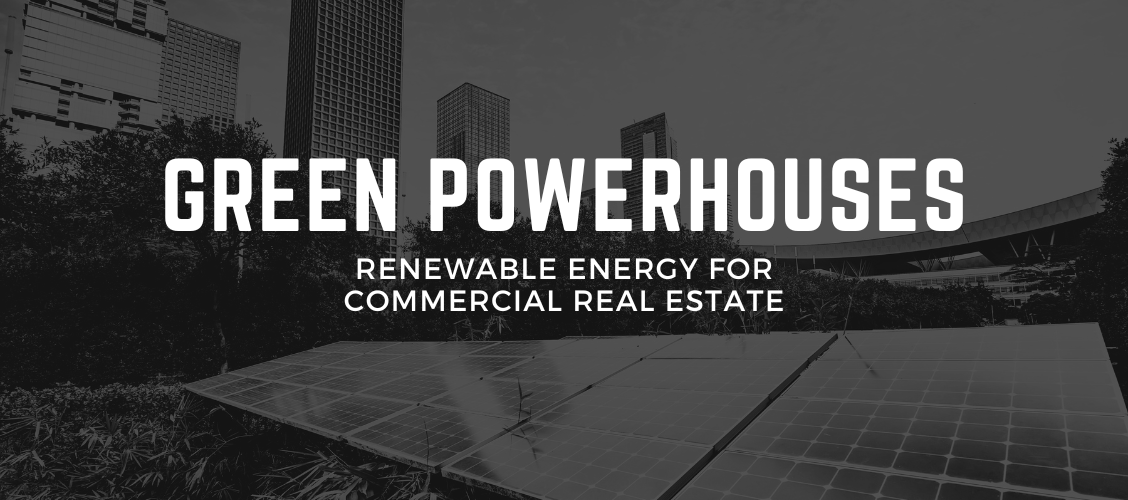
Green powerhouses: Renewable Energy for Commercial Real Estate

In today’s world, businesses want to be more eco-friendly and save on energy costs. One popular way is by using renewable energy in commercial buildings.

Commercial buildings use a lot of energy. So, they’re great places to start making green changes. By using renewable energy, businesses can lower their carbon emissions and save money in the long run. In this article, we’ll explore the sources for renewable energy:

Sources of renewable energy

Incorporating renewable energy sources in commercial properties is a forward-thinking move that involves harnessing energy from environmentally friendly sources. Here are the most popular renewable energy sources:

Solar Power
Solar power uses sunlight to make electricity. By placing solar panels on roofs or open areas, these panels convert sunlight into energy we can use.

Wind Energy
Wind turbines are another popular choice for commercial properties. They capture wind energy and convert it into electricity, offering a sustainable and reliable power source.

Geothermal Energy
Geothermal energy involves tapping into the Earth’s natural heat to provide heating and cooling solutions for commercial properties. It’s a highly efficient and eco-friendly option.

Using renewable energy in commercial buildings is both good for the environment and smart for business. We’ve looked at some options like solar, wind, and geothermal energy. These choices help the environment and save money over time.

It’s a win-win strategy for businesses looking to thrive in a more sustainable and energy-efficient future. So, as you consider the future of your commercial property, remember that going green isn’t just responsible—it’s a strategy that can power your success for years to come.

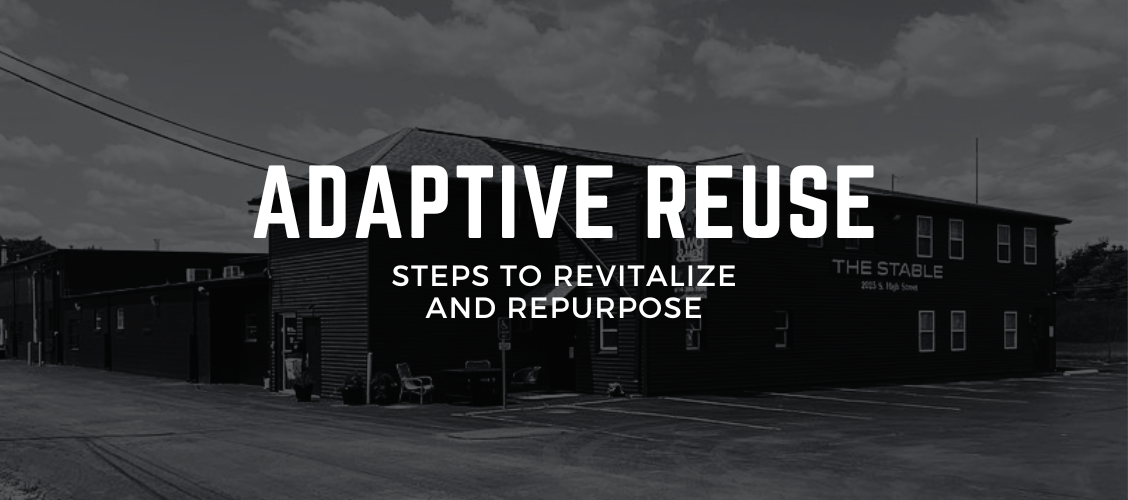
ADAPTIVE REUSE: STEPS TO REVITALIZE AND REPURPOSE

The magic of adaptive reuse lies in its ability to take relics of the past and transform them into functional spaces for the present. It’s like taking an old, forgotten book and rewriting its chapters for a new generation. But how does this enchanting process work? Let’s delve into the typical steps that lead to the successful adaptive reuse of a building.

1.      IDENTIFICATION AND ASSESSMENT

  • The building’s historical or architectural significance.
  • Its current structural condition.
  • The feasibility of the desired new function within the existing structure.

2.      DESIGN AND PLANNING

  • Respecting the original architecture while adding modern amenities.
  • Addressing any structural challenges, ensuring the building’s longevity.
  • Ensuring that renovations don’t degrade the building’s historical significance.
  • Meeting safety and building standards.

3.      CONSTRUCTION AND RENOVATION

  • Preserving delicate or decaying architectural features.
  • Retrofitting the building with modern systems like HVAC, plumbing, and electrical networks.
  • Integrating advanced tech infrastructure, like broadband connectivity and energy efficient features.

4.      PROJECT COMPLETION AND LAUNCH

After passing inspections and meeting all requirements, the building is ready for its new purpose. This is the moment where the past and present converge, culminating in a functional space that pays homage to its history.

Adaptive reuse is a journey that carries the essence of the past into the heart of the future. While each project is unique, the steps outlined above provide a roadmap to transform aging edifices into vibrant hubs of modern activity. Through adaptive reuse, we find a sustainable, respectful, and imaginative way to write new stories in old buildings.

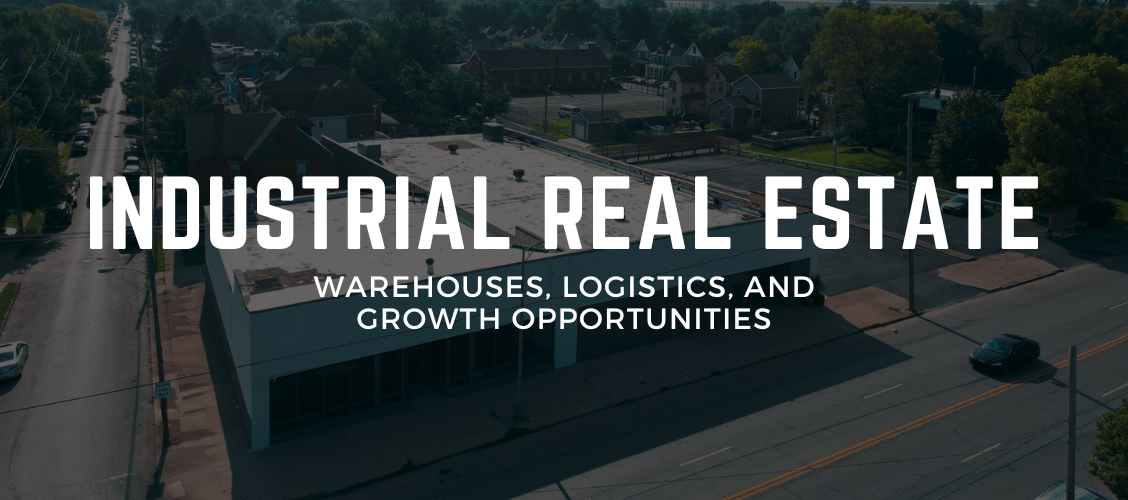
Industrial Real Estate: Warehouses, Logistics, and Growth Opportunities

Industrial real estate, covering warehouses and logistics, is on the rise. In this guide, we’ll highlight its key features and growth opportunities. Learn about the importance of warehouses in supply chains and the logistics behind today’s commerce. Dive in and uncover keys to success in this field.

The Importance of Warehouses

Warehouses are essential to industrial real estate, supporting efficient supply chains. They vary in size and design to fit business needs, from e-commerce storage to manufacturing materials. Warehouses streamline inventory management, ensuring product availability and reducing costs.

Logistics: The Nerve Center of Commerce

Logistics ensures fast, efficient movement of goods.

  • Transportation: Global networks cut delivery time and cost.
  • Tech: GPS and inventory systems enhance operations and service.
  • Last-Mile: Drones and transportation innovation simplify the final delivery challenge.

Industrial Real Estate Growth Avenues

For investors, developers, or entrepreneurs, consider:

  • E-commerce Warehouses
  • Green Warehouses
  • Urban Logistics Hubs
  • Cold Storage Units

Industrial real estate, with its warehouses, logistics, and myriad growth opportunities, is a dynamic and lucrative sector. It’s crucial for businesses and investors to understand the nuances of this market to make informed decisions and reap the benefits of its growth.

What are the 5 Essential Factors to Consider When Investing in Commercial Real Estate?

Investing in commercial real estate can be a lucrative venture, but it requires careful consideration and analysis. Whether you are an experienced investor or a novice exploring this realm, there are several essential factors that you should take into account before making any investment decisions. Here are the top five factors that you should consider when investing in commercial real estate. By understanding these factors, you can make informed decisions and maximize your chances of success in the commercial real estate market.

1.Location
2.Market Analysis
3.Property Condition
4.Rental Income Potential
5.Financing Options

Commercial real estate investment involves purchasing properties that are used for business purposes, such as office buildings, retail spaces, industrial warehouses, and more. It offers the potential for long-term financial stability, cash flow, and wealth accumulation. However, it is crucial to approach these investments with caution and thoroughly assess various aspects before committing your resources.

Consider the Five things listed above and a help of a Commercial Real Estate professional and you’ll be paving way for your success.

Tips to Add Value to Your Commercial Real Estate Investment

Investing in commercial real estate can be a lucrative venture, but to maximize returns and attract quality tenants, it’s crucial to add value to your properties. By enhancing various aspects of your investment, you can increase its desirability, generate higher rental income, and achieve long-term success.

To stay competitive in the market and attract tenants, it is essential to add value to your investments. By doing the strategies listed below, you can differentiate your properties, increase occupancy rates, and command higher rental rates.

  • Conduct a thorough market analysis
  • Enhance property curb appeal
  • Maximize the use of Space
  • Upgrade interior spaces
  • Implement energy-efficient measures
  • Optimize property management
  • Utilize technology and automation
  • Build stronger tenant relationships
  • Offer value-added services
  • Upgrade, Renovate, and Adapt

Adding value to your commercial real estate investment is crucial for maximizing returns and attracting quality tenants. By conducting thorough market analysis, enhancing curb appeal, upgrading interior spaces, implementing energy-efficient measures, optimizing property management, utilizing technology and automation, offering value-added services, fostering tenant relationships, and continuously improving and adapting, you can increase the desirability and profitability of your investment.

Ways to Finance Commercial Real Estate

Commercial real estate investments offer lucrative opportunities for wealth generation, but they often require substantial upfront capital. Here are six financing methods that can be flexible and tailored to your specific needs. Whether you’re a seasoned investor or just starting out, these options can provide the capital you need to make your investments thrive, turning your real estate dreams into reality.

1. Traditional Bank Loans
2.SBA Loans.
3.Private Funding
4.Crowdfunding
5.Real Estate Investment Trusts (REITs)
6.Seller Financing

When it comes to financing commercial real estate, there are several avenues to explore. Traditional bank loans offer stability and lower interest rates, while SBA loans provide government-backed support for small businesses. Private funding can be a quick and flexible option, and crowdfunding allows for multiple investors to contribute smaller amounts. Real Estate Investment Trusts (REITs) offer diversification and professional management, while seller financing can provide negotiable terms.

It’s important to assess your specific needs, financial situation, and investment goals before deciding on a financing method. Consider working with a commercial real estate professional and discuss factors such as interest rates, repayment terms, eligibility criteria, and the level of control you desire over your investment.

The Importance of Due Diligence in Commercial Real Estate Investment.

What is Due Diligence in Commercial Real Estate Investment?

When considering a commercial real estate investment, due diligence refers to the comprehensive investigation and analysis of various aspects related to the property.

Due diligence acts as a safeguard, enabling you to identify potential risks and red flags before committing to an investment. By conducting a thorough analysis, you can unveil hidden liabilities, anticipate challenges, and evaluate the feasibility of your investment objectives.

What can you get in practicing due diligence?

  • Accurate Valuation
  • Identify Potential Pitfalls
  • Assess Financial Viability
  • Evaluate Market Conditions
  • Ensure Compliance with Regulations
  • Build a Strong Investment Strategy

Due diligence empowers investors to navigate the complexities of the real estate market with confidence. Remember to prioritize due diligence in your commercial real estate investment journey and set the stage for success.

WHY IS COLUMBUS THE PERFECT PLACE FOR COMMERCIAL REAL ESTATE INVESTMENT.


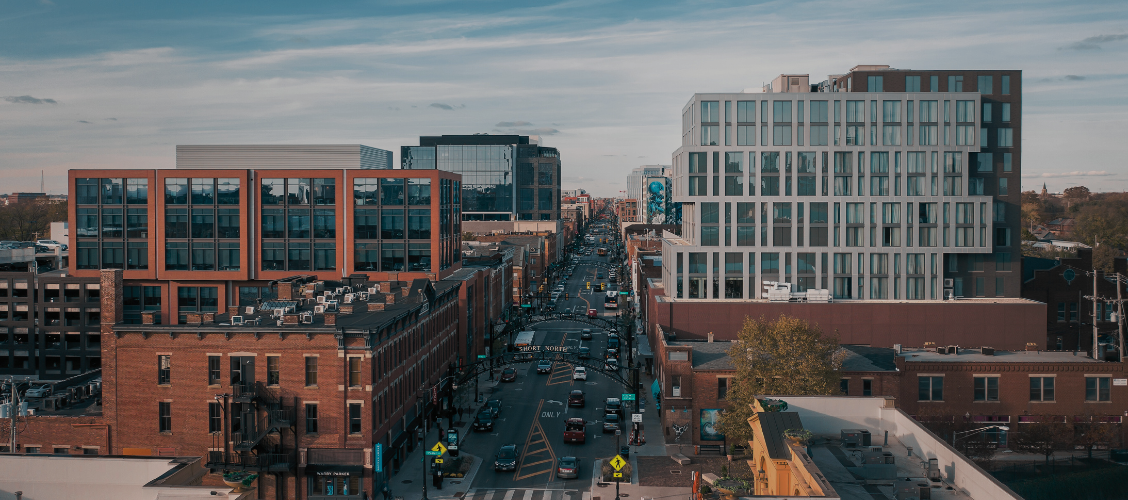
Columbus, Ohio offers a promising destination for commercial real estate investors. Its strong economy, strategic location, rising population, pro-business atmosphere, infrastructure growth, variety of real estate opportunities, and robust rental market all contribute to high potential returns on investments.

Columbus’s vibrant economy coupled with its strategic position as a business gateway make it an ideal investment ground. The growing population and infrastructure development further enhance its appeal.

The city offers diverse commercial real estate opportunities, presenting a spectrum of possibilities for investors. Whether it’s retail spaces, office complexes, or residential rentals, there’s something to suit every investor’s profile.

The strong rental market, fueled by a flourishing job sector and increasing population, promises steady cash flow and long-term wealth generation. This makes Columbus not just a great place to invest, but also a city that provides reliable income streams and avenues for wealth creation.

By leveraging these unique advantages, investors can achieve long-term success in the Columbus commercial real estate sector. So, if you’re considering an investment, remember, a strategic choice in Columbus’s commercial real estate market can lead to considerable gains, thanks to the city’s economic stability, geographical benefits, and supportive business environment.

Guide to Commercial Real Estate Investing in Columbus OHIO

Considering a commercial real estate investment in Columbus? You’re in good company! The city’s diverse economy and growing population make it an excellent location for investment. But the process can be complex. Here’s a quick guide to help you navigate it.

Commercial real estate refers to properties used for business purposes, like office buildings, retail spaces, and warehouses. When investing, you’ll want to consider cash flow, location, and tenant quality.

Columbus is an ideal investment location due to its status as Ohio’s capital and a business hub, a thriving economy with a growing population, and a vibrant lifestyle. Here, commercial real estate includes office space, retail space, industrial space, and mixed-use space.

Ready to invest in Columbus? Here’s a simplified guide:

  1. Determine Your Investment Strategy: What type of property are you interested in? What’s your budget and investment goal?
  2. Research: Look for properties that fit your strategy. Consider location, tenant quality, and market conditions.
  3. Secure Financing: Explore options like commercial mortgages, private investors, or crowdfunding platforms.
  4. Conduct Due Diligence: Review financial documents, inspect the property, and have a lawyer review the purchase agreement.
  5. Close the Deal: Sign the agreement, transfer funds, and prepare for managing the property.

Investing in commercial real estate in Columbus can be profitable if you do your research and plan carefully. Remember to consider factors such as location, tenant quality, and market conditions, and seek advice from experienced professionals.

Investing in commercial real estate is a long-term commitment that can bring unexpected challenges, but with careful planning, you can achieve your investment goals. Happy investing in Columbus!