sustainable future: Benefits & Implementation of renewable energy

Advantages of Incorporating Renewable Energy Sources

Incorporating renewable energy sources in commercial properties comes with a myriad of benefits, both for businesses and the environment. Let’s explore these advantages in detail.

  • Cost Savings
  • Reduced Carbon Footprint
  • Energy Independence
  • Government Incentives

Steps to Implement Renewable Energy Solutions

1.Energy Audit – Begin by conducting an energy audit to identify your property’s energy needs and potential areas for improvement.

2.Choose the Right Energy Source – Select the most suitable renewable energy source based on your property’s location, energy demands, and budget.

3.Installation – Hire qualified professionals to install the chosen renewable energy system, ensuring it complies with safety and regulatory standards.

4.Maintenance – Regular maintenance is crucial to ensure the efficiency and longevity of your renewable energy system.

Incorporating renewable energy sources in commercial properties is a sustainable and financially prudent choice. Businesses that embrace clean energy not only contribute to a greener planet but also enjoy long-term cost savings and numerous incentives. By following the steps outlined in this guide, your commercial property can become a beacon of environmental responsibility and energy efficiency.
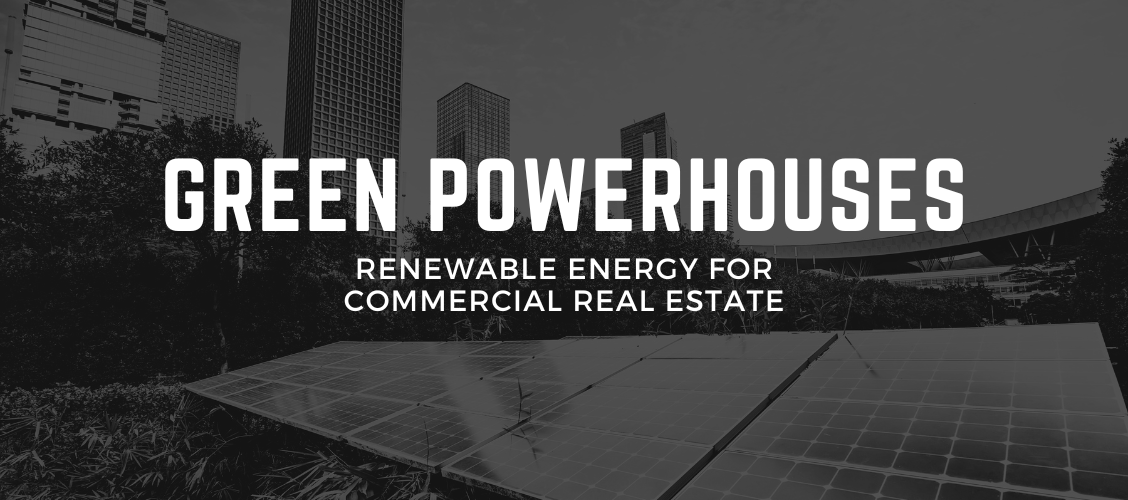
Green powerhouses: Renewable Energy for Commercial Real Estate

In today’s world, businesses want to be more eco-friendly and save on energy costs. One popular way is by using renewable energy in commercial buildings.

Commercial buildings use a lot of energy. So, they’re great places to start making green changes. By using renewable energy, businesses can lower their carbon emissions and save money in the long run. In this article, we’ll explore the sources for renewable energy:

Sources of renewable energy

Incorporating renewable energy sources in commercial properties is a forward-thinking move that involves harnessing energy from environmentally friendly sources. Here are the most popular renewable energy sources:

Solar Power
Solar power uses sunlight to make electricity. By placing solar panels on roofs or open areas, these panels convert sunlight into energy we can use.

Wind Energy
Wind turbines are another popular choice for commercial properties. They capture wind energy and convert it into electricity, offering a sustainable and reliable power source.

Geothermal Energy
Geothermal energy involves tapping into the Earth’s natural heat to provide heating and cooling solutions for commercial properties. It’s a highly efficient and eco-friendly option.

Using renewable energy in commercial buildings is both good for the environment and smart for business. We’ve looked at some options like solar, wind, and geothermal energy. These choices help the environment and save money over time.

It’s a win-win strategy for businesses looking to thrive in a more sustainable and energy-efficient future. So, as you consider the future of your commercial property, remember that going green isn’t just responsible—it’s a strategy that can power your success for years to come.

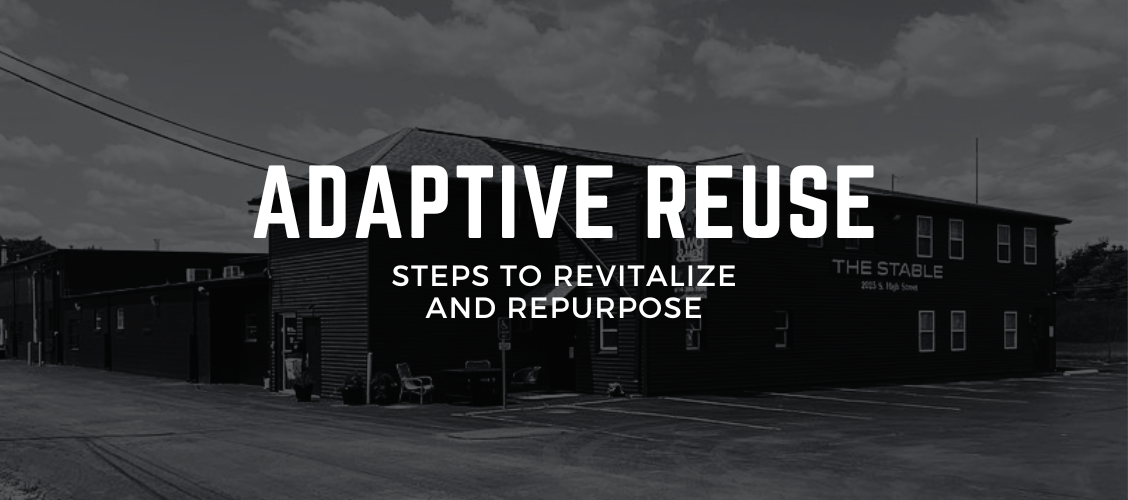
ADAPTIVE REUSE: STEPS TO REVITALIZE AND REPURPOSE

The magic of adaptive reuse lies in its ability to take relics of the past and transform them into functional spaces for the present. It’s like taking an old, forgotten book and rewriting its chapters for a new generation. But how does this enchanting process work? Let’s delve into the typical steps that lead to the successful adaptive reuse of a building.

1.      IDENTIFICATION AND ASSESSMENT

  • The building’s historical or architectural significance.
  • Its current structural condition.
  • The feasibility of the desired new function within the existing structure.

2.      DESIGN AND PLANNING

  • Respecting the original architecture while adding modern amenities.
  • Addressing any structural challenges, ensuring the building’s longevity.
  • Ensuring that renovations don’t degrade the building’s historical significance.
  • Meeting safety and building standards.

3.      CONSTRUCTION AND RENOVATION

  • Preserving delicate or decaying architectural features.
  • Retrofitting the building with modern systems like HVAC, plumbing, and electrical networks.
  • Integrating advanced tech infrastructure, like broadband connectivity and energy efficient features.

4.      PROJECT COMPLETION AND LAUNCH

After passing inspections and meeting all requirements, the building is ready for its new purpose. This is the moment where the past and present converge, culminating in a functional space that pays homage to its history.

Adaptive reuse is a journey that carries the essence of the past into the heart of the future. While each project is unique, the steps outlined above provide a roadmap to transform aging edifices into vibrant hubs of modern activity. Through adaptive reuse, we find a sustainable, respectful, and imaginative way to write new stories in old buildings.

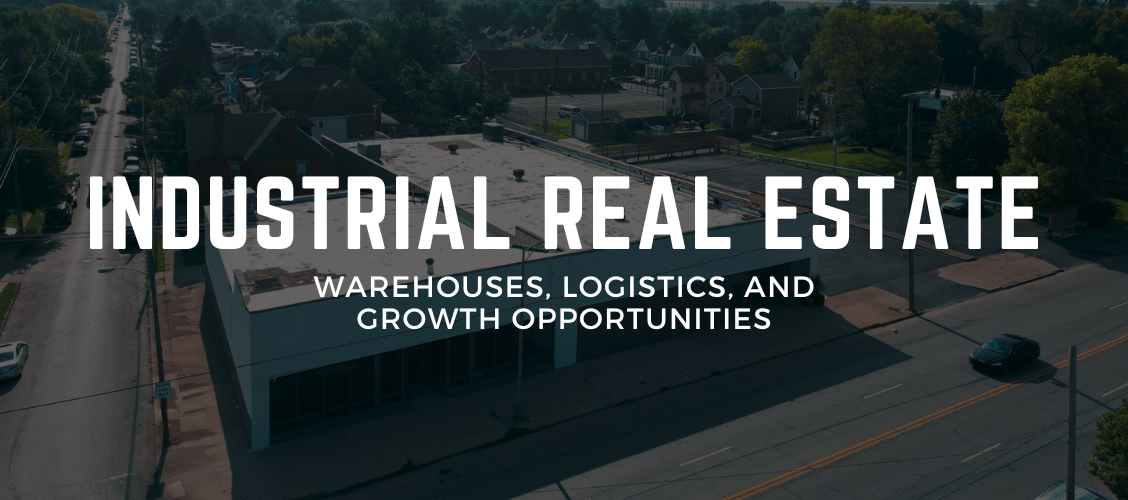
Industrial Real Estate: Warehouses, Logistics, and Growth Opportunities

Industrial real estate, covering warehouses and logistics, is on the rise. In this guide, we’ll highlight its key features and growth opportunities. Learn about the importance of warehouses in supply chains and the logistics behind today’s commerce. Dive in and uncover keys to success in this field.

The Importance of Warehouses

Warehouses are essential to industrial real estate, supporting efficient supply chains. They vary in size and design to fit business needs, from e-commerce storage to manufacturing materials. Warehouses streamline inventory management, ensuring product availability and reducing costs.

Logistics: The Nerve Center of Commerce

Logistics ensures fast, efficient movement of goods.

  • Transportation: Global networks cut delivery time and cost.
  • Tech: GPS and inventory systems enhance operations and service.
  • Last-Mile: Drones and transportation innovation simplify the final delivery challenge.

Industrial Real Estate Growth Avenues

For investors, developers, or entrepreneurs, consider:

  • E-commerce Warehouses
  • Green Warehouses
  • Urban Logistics Hubs
  • Cold Storage Units

Industrial real estate, with its warehouses, logistics, and myriad growth opportunities, is a dynamic and lucrative sector. It’s crucial for businesses and investors to understand the nuances of this market to make informed decisions and reap the benefits of its growth.

BEST PRACTICES FOR MAINTAINING AND UPGRADING COMMERCIAL ASSETS

Commercial properties, whether office buildings, retail spaces, or industrial facilities, require consistent care and occasional upgrades to remain competitive in today’s market. Neglecting maintenance can lead to costly repairs and vacant spaces, while strategic upgrades can attract high-value tenants and increase property value. Let’s embark on this journey to uncover the best practices for achieving success in the world of commercial real estate.

REGULAR INSPECTIONS: THE BACKBONE OF MAINTENANCE

  1. Set regular routine inspections.
  2. Be proactive with repairs.
  3. Build & Maintain relations ships with vendors and contractors.
  4. Listen & Communicate with your tenants.

THE ART OF UPGRADING

  1. Think energy efficiency and sustainability
  2. Green landscaping
  3. Integrate technology
  4. Interior renovations.
  5. Upgrade with accessibility in mind

Maintaining and upgrading commercial properties is both an art and a science. It requires diligence, creativity, and a keen understanding of market dynamics. By following the best practices outlined in this guide, you can enhance the value of your commercial real estate portfolio, attract quality tenants, and secure your long-term success in this competitive industry.

Boosting Commercial Real Estate Value: The Power of Curb Appeal

In the commercial real estate landscape, a property’s first impression holds significant sway in molding the perceptions of potential tenants and customers, thereby underscoring the critical role of curb appeal in any effective property marketing strategy.

Curb appeal – the captivating visual appeal of a property as observed from the street or surrounding areas – is integral to defining the property’s overall aesthetic. It often acts as a determinant for potential tenants and customers making choices. The impact of curb appeal is multifaceted; a property that embodies visual allure can draw in a broader clientele, bolster foot traffic, and leave an enduring impression on clients. Additionally, properties that exude remarkable curb appeal can command higher rents and enhanced property values, instilling a sense of pride amongst tenants and employees that contributes to a conducive work environment.

Enhancing curb appeal can be achieved through:

  • Choosing visually pleasing plants and trees
  • Ensuring a well-groomed lawn
  • Installing captivating pathways and walkways
  • Applying a fresh coat of paint
  • Undertaking cleaning and repair work for facades
  • Updating signage and lighting fixtures
  • Refurbishing doors and windows
  • Creating welcoming reception areas
  • Maintaining the parking lot in an optimal condition
  • Installing outdoor art and adding seasonal decor

The role of curb appeal in the success of commercial real estate properties cannot be overstated. Investment in landscaping, regular exterior maintenance, inviting entranceways, and appealing amenities can effectively draw in tenants, augment the property’s value, and leave a positive impact on customers. By integrating sustainable practices and emphasizing safety, property owners can craft an irresistible and visually appealing environment that sets their property apart in a highly competitive market.

Maximize returns through renovations

In the competitive world of commercial real estate, renovating commercial properties can be a game-changer for investors and property owners. A well-executed renovation can attract high-quality tenants, increase rental income, and ultimately maximize returns on investment. To achieve these goals, it’s essential to adopt a strategic approach and consider various factors contributing to a successful commercial property renovation. The following tips and insights will help you outpace your competitors and achieve exceptional results:

  1. Understand Your Target Market
  2. Develop a Comprehensive Renovation Plan
  3. Enhance Curb Appeal
  4. Maximize Interior Space
  5. Embrace Sustainability
  6. Upgrade Infrastructure and Technology
  7. Prioritize Safety and Accessibility

Renovating commercial properties holds the potential to be a highly profitable investment strategy. By keeping this list in mind, you can enhance the chances of success and maximize your return on investment. Therefore, take the time to plan carefully, focus on delivering value, and prioritize the needs of your target market. With dedication and effort, you can transform a commercial property into a profitable and sustainable asset that thrives for years to come.

The Importance of Market Research in Commercial Real Estate Investing

Market research plays a crucial role in commercial real estate investing, providing investors with valuable insights and data necessary for making informed decisions. By conducting thorough market research, investors can assess the viability and potential profitability of a real estate investment.

Here are some key reasons why market research is essential in commercial real estate investing:

-Identify Market trends and opportunities
-Assess supply and demand dynamics
-Evaluate Risks
-Precise Property Valuation
-Targeting the right tenant base
-Support Investor’s decision making

By conducting thorough market research, investors can position themselves strategically in the market and increase their chances of success in the commercial real estate industry.

What are the 5 Essential Factors to Consider When Investing in Commercial Real Estate?

Investing in commercial real estate can be a lucrative venture, but it requires careful consideration and analysis. Whether you are an experienced investor or a novice exploring this realm, there are several essential factors that you should take into account before making any investment decisions. Here are the top five factors that you should consider when investing in commercial real estate. By understanding these factors, you can make informed decisions and maximize your chances of success in the commercial real estate market.

1.Location
2.Market Analysis
3.Property Condition
4.Rental Income Potential
5.Financing Options

Commercial real estate investment involves purchasing properties that are used for business purposes, such as office buildings, retail spaces, industrial warehouses, and more. It offers the potential for long-term financial stability, cash flow, and wealth accumulation. However, it is crucial to approach these investments with caution and thoroughly assess various aspects before committing your resources.

Consider the Five things listed above and a help of a Commercial Real Estate professional and you’ll be paving way for your success.

Tips to Add Value to Your Commercial Real Estate Investment

Investing in commercial real estate can be a lucrative venture, but to maximize returns and attract quality tenants, it’s crucial to add value to your properties. By enhancing various aspects of your investment, you can increase its desirability, generate higher rental income, and achieve long-term success.

To stay competitive in the market and attract tenants, it is essential to add value to your investments. By doing the strategies listed below, you can differentiate your properties, increase occupancy rates, and command higher rental rates.

  • Conduct a thorough market analysis
  • Enhance property curb appeal
  • Maximize the use of Space
  • Upgrade interior spaces
  • Implement energy-efficient measures
  • Optimize property management
  • Utilize technology and automation
  • Build stronger tenant relationships
  • Offer value-added services
  • Upgrade, Renovate, and Adapt

Adding value to your commercial real estate investment is crucial for maximizing returns and attracting quality tenants. By conducting thorough market analysis, enhancing curb appeal, upgrading interior spaces, implementing energy-efficient measures, optimizing property management, utilizing technology and automation, offering value-added services, fostering tenant relationships, and continuously improving and adapting, you can increase the desirability and profitability of your investment.