
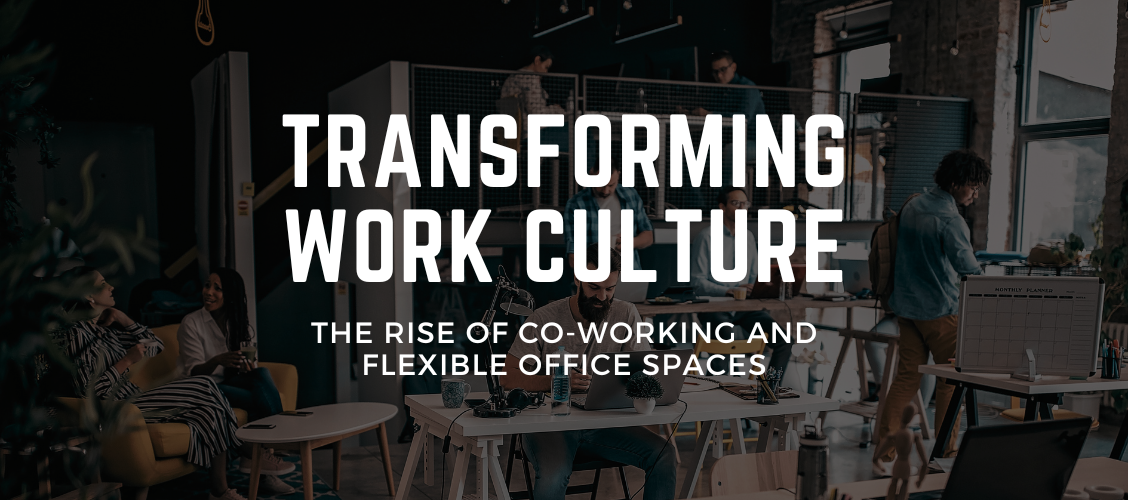
In today’s dynamic workforce landscape, co-working and flexible office spaces are gaining prominence, offering alternatives to conventional office environments. This article will explore the impact, pros, cons, and transformative effect of co-working and flexible office setups on our work culture.
Co-working is a collaborative approach using shared office spaces where professionals and freelancers from varied backgrounds unite in a communal environment. Beyond mere workspaces, these spaces are also innovation hubs where diverse ideas intermingle, promoting idea cross-pollination and unique breakthroughs. They also provide cost-efficiency, offering startups and freelancers a way to bypass the expenses of traditional offices.
ADVANTAGES OF CO-WORKING:
- Cost-efficiency
- Diversity & Enhanced Collaboration
- Flexibility in Workspace
- Reduced Commute
SOME SETBACKS OF CO-WORKING:
- Distractions
- Limited privacy
- Noise levels
- Lack of Control over the workspace
The rise of co-working and flexible office spaces has undoubtedly transformed work culture. It offers unparalleled flexibility, cost savings, and networking opportunities. However, it’s not without its challenges, such as privacy concerns and distractions.
In this rapidly evolving landscape, the key is finding the right balance that suits your individual or business needs. As the workforce continues to change, so too will our workspace options.
 Columbus Commercial Real Estate